

Table of Contents
- What Is Autism Spectrum Disorder?
- Histories of Diagnoses: Classic Autism and More
- Types of Autism (Current DSM-5 Autism Levels)
- Non-DSM Autism Subtypes
- Autism Across Life Stages
- Support, Therapy, and Interventions
- Frequently Asked Questions
- Conclusion
In Focus
- Autism presents differently in each individual, shaped by genetics, environment, sensory needs, and support levels.
- DSM-5 now uses support-level categories instead of older subtypes like Asperger’s or PDD-NOS.
- Autism affects communication, sensory processing, social understanding, and flexibility across the lifespan.
- Support needs vary widely, from subtle communication help to substantial daily living assistance.
When beginning their autism research, many parents, adults, and caregivers ask, “How many different types of autism are there, and how can we distinguish them?” The answer to that is far more complicated than one would think. Autism is a neurodevelopmental disorder that occurs in many forms, each displaying its own unique range of symptoms, support needs and attributes.
Learning about all the different types of autism is important because it enables healthcare professionals, families and even autistic individuals themselves to observe and identify patterns of dysfunction that impact communication, social interaction, learning and the activities of daily living. The intricate mix of environmental factors, genetics and differences in development shapes a person’s experience of the world. That’s why two autistic individuals can possess the same diagnosis but have remarkably different attributes, impact profiles and sensory needs.
Wondering if you or a loved one needs an official diagnosis? AuDHD Psychiatry offers assessments for Autism. If you or someone you know would like to learn more about next steps, you can schedule a consultation with us.
What Is Autism Spectrum Disorder?
Autism Spectrum Disorder (ASD) is a lifelong condition involving atypical development that impacts a person’s ability to communicate as well as develop interpersonal relationships, manage and respond to sensory information, and integrate information cognitively. While the word spectrum may be misinterpreted, it has to do with the various forms of autism and reflects the great range of distinct qualities and characteristics, both strengths and challenges, that individuals may possess.
Autism is not an issue of behaviour; it is a highly complicated condition involving neurodevelopment. It’s influenced by a person’s cognitive and sensory development, as well as by the brain’s structure.
Why Autism Differs Between Individuals
People on the autism spectrum do experience the same differences in social communication, understanding social cues, and having intense interest in some subjects and/or objects. The ways in which these traits manifest themselves, though, can vary across the spectrum. One individual, for instance, may articulate fluently, but may have challenges understanding facial expressions and/or the use of body language. Conversely, another individual may only use limited verbal communication and rely on non-verbal communication (e.g. gesturing) or the use of some type of electronic communication assistive device.
The impacts that these characteristics may have in shaping an individual’s daily living may also be quite different as well, and these may be due to factors such as the individual’s levels of personal and/or social routines, the levels of the individual’s needed support, their co-occurring conditions, and/or the environment’s demands.
Biological, Genetic & Environmental Factors
Research indicates that the condition is likely to be due to a combination of factors that relate to the individual’s genetic makeup, as well as environmental factors that may affect the development of the individual’s brain in the early stages of life. These help explain the differences that may occur in the autism spectrum in areas like:
- The ability to achieve developmental milestones
- The ability to process different types of sensory input, and
- Differences in the areas of the individual’s behaviour
The disability is, however, not a result of poor parenting, vaccines, or the social circumstances that the child’s family may be experiencing. ASD encompasses various ways of processing information, social scenarios, and verbal communication.
Autism as a Complex Neurodevelopmental Condition
Those on the spectrum often exhibit difficulty processing various sensory stimuli, display patterns of behaviours that are repetitive and struggle with adaptability. Such attributes of ASD can be debilitating and create challenges in multiple facets of life. However, these attributes can also lead to the development of an individual’s problem-solving abilities, creativity, and the ability to focus deeply and/or on topics which they are intensely curious about.
Autism overlaps with many other developmental differences. These additional conditions that often accompany ASD are described as co-morbid or co-occurring conditions. One of these is attention deficit hyperactivity disorder (ADHD), which is further elaborated in AuDHD Explained. Other individuals exhibit varying degrees of emotional dysregulation, intellectual disability, and/or a form of sensory hypersensitivity. Such conditions provide additional information to better understand a person’s autism diagnosis, especially with the presence of such co-morbidities or symptoms, which may appear subtle or blend with other conditions.
Further information about the difference between ADHD and autism is discussed in this guide.
Histories of Diagnoses: Classic Autism and More
In 2013, the fifth installment of the DSM (Diagnostic and Statistical Manual of Mental Disorders) replaced its earlier terminology and grouped them into one umbrella diagnosis, Autism Spectrum Disorder. Subsequently, clinicians began using different names to describe the subtypes of autism. While these categories were intended to reflect the diagnostic plurality of the autistic experience, they often confused clinicians, led to inconsistent diagnoses, and created barriers to diagnosis, resulting in undue loss of access to critical support.
Classic Autism (Autistic Disorder/Kanners Syndrome)
Classic autism, the most recognisable form of autism, was characterised by early language delays, communication impairments, and pronounced social deficiencies. Some common symptoms are:
- Repetitive behaviours
- Sensory sensitivities, and
- Difficulties in communication skills
Asperger’s Syndrome (High-Functioning Autism)
Asperger’s Syndrome was characterised by average or above average intelligence and fewer language delays. Difficulties often appeared in social communication, interpreting facial expressions, or understanding nuance. Many still identify with this term today due to its descriptive nature, despite it no longer being part of official diagnostic criteria.
PDD-NOS (Pervasive Developmental Disorder–Not Otherwise Specified)
PDD-NOS was the classification of people who displayed clear symptoms of autism, but did not conform to the rigid classifications of classical autism or Asperger’s. It often described individuals with milder symptoms, sensory sensitivities, or had what is termed “atypical autism”.
Childhood Disintegrative Disorder (CDD)
CDD is characterised by severe loss of previously acquired skills, such as speech, motor, or fine motor skills, after a period of normal development. It is extremely rare andis currently considered an in-depth category within the broader autism spectrum.
Rett Syndrome
Even though Rett syndrome is a genetically inherited condition that mainly afflicts females, it was previously considered part of the autism spectrum, due to the complex overlapping behavioural symptoms. It is now regarded as a condition in its own right, due to the presence of distinct biological markers.
Why These Categories Were Removed
These historical categories have been removed because of the unequal and uncoordinated pathways in diagnosis, and fragmented support. The latest DSM-5, in an effort to improve accessibility to services and better reflect contemporary findings, has unified all of these subtypes under a single category termed Autism Spectrum Disorder.

Types of Autism (Current DSM-5 Autism Levels)
In the present day, autism is classified not by subtype, but by levels of autism spectrum disorder, which identify the degree of support a person may require. These levels do not indicate intelligence, capability, or personality, but rather how much help is needed to deal with communication, sensory differences, and other aspects of daily living.
Level 1 Autism – Requiring Support
People assigned to Level 1 may have fluent speech and possess advanced language skills, yet they may still have challenges regarding social communication and learning social cues, and may have difficulties adjusting to new routines. They may also experience:
- Extremely focused interests
- Problems with energy level regulation, or
- Subtle repetitive behaviours
Many people with a previous diagnosis of Asperger’s fit this description. Support needs may be “less visible” but they are still present and significant as the person transitions into adulthood, school environments, or workplaces.
Level 2 Autism – Requiring Substantial Support
At Level 2, the differences seen in a person’s communication, sensory, and behavioural flexibility relative to their peers are pronounced. In these individuals, there may be a greater need for support when it comes to social interactions, regulating emotions, and adjusting to new or unexpected situations. Support such as educational accommodations, the establishment of a structured routine, and the presence of a support worker can be vital in helping the individual deal with sensory overload and other daily challenges and responsibilities.
Level 3 Autism – Very Substantial Support Required
Level 3 patients experience more intense trouble with communication. This includes:
- Being partially or completely nonverbal
- Using communication aid devices, or
- Engaging in repetitive physical actions for emotional or regulatory stabilisation.
Because of overwhelming sensory inputs and difficulties with transitions, patients often require around-the-clock support in daily settings due to extreme autism-related challenges.
These labels serve to orient and assist. They’re here for health care professionals, educators, and families to understand the challenges of the patients rather than a means to confine or restrict them. If you or a loved one has been experiencing symptoms that may align with autism, seek professional help. You can book an introductory call with us to see if an assessment should be considered.
Non-DSM Autism Subtypes
There are additional autism profiles which describe how people experience the world and are currently used in practice, which the DSM-5 has removed the subtype ‘labels’ for. Clinical psychologists, education specialists, adult autism advocates and researchers may still use these to describe how a person experiences the world. However, these additional profiles, although unofficial, can assist in understanding an individual’s:
- Unique characteristics
- Communication styles
- Sensory sensitivities
Sensory-Based Types
Some profiles may also be dominated by sensory sensitivities, be they hyper- or hypo-sensitive to varying sensory inputs. These triggers may include:
- Bright lights
- Busy sound environments, and/or
- Strong reaction to certain textures, and/or
- Intense sensory-seeking behaviours
Situations may be overwhelming and can lead to shutdowns or meltdowns. These can also lead to an individual avoiding overwhelming situations. The intensity of these experiences is often misunderstood, but they play a major role in emotional regulation and behavioural responses.
Communication-Based Types
This category focuses on differences in communication skills, language development, and nonverbal communication. Some individuals rely heavily on gestures, Augmentative and Alternative Communication (AAC) devices, or alternative communication methods, while others speak fluently but struggle with social communication, interpreting body language, or recognising subtle facial expressions. Challenges in eye contact, conversational flow, or understanding ambiguous language are also common.
These differences do not reflect intelligence but rather represent alternative communication styles.
Behavioural & Personality-Oriented Types
Certain clinicians prefer using descriptive terms to understand behavioural patterns, such as those involving strong restricted interests, repetitive movements, or exceptionally structured behavioural routines. Others describe profiles based on behavioural flexibility or emotional style, for example, those who experience intense interests, strong focus, or extreme difficulty shifting between tasks. These observations help design and align support strategies to best address those needs.
Professionals use different frameworks as autism is deeply individual, and the unifying term that the DSM-5 uses encompasses so many different experiences. These descriptive subtypes can guide intervention planning and make it easier for families to understand behaviour patterns.
Autism Across Life Stages
Autism is a lifelong experience, but the ways in which it manifests itself in a person will change in very drastic ways as they mature. Knowing how the traits of a person change in a continuum across their lifetime is pivotal, especially in younger years, in order to provide the assistance that the autistic individual will require to be productive and thrive in society.
Signs of autism in toddlers and young children
Children who are diagnosed with autism usually show the following differences in social behaviour:
- They may show less interest and interaction in social situations
- Exhibit less eye contact
- Use fewer gestures
- Experience a delay in learning a language or use language in atypical forms; or
- Wngage in more repetitive behaviour than their peers
These children may also show heightened interest in specific toys and in certain activities or routines, or exhibit heightened sensitivity to certain sensory patterns. Autism can also be characterised by atypical patterns of play and a lack of response when their name is called, or difficulty recognising and interpreting the emotional expressions on people’s faces. It’s best to recognise the signs of autism in children as early as possible so that interventions aimed at communication and self-regulation can be initiated.
Autism in Girls/Women
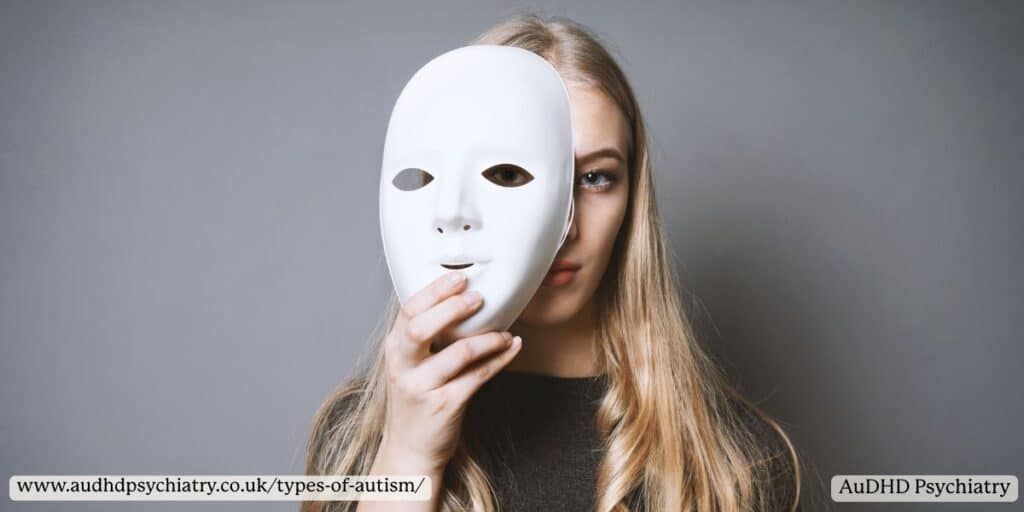
Girls are able to conceal the traits of autism more effectively than boys. This concealment can lead to a missed or delayed diagnosis. If a situation warrants it, girls may mimic their peers, construct conversations, or analyse patterns of social behaviour as a means of fitting in. Many women appear to socialise easily, even though they may feel social burnout from the effort it takes to engage in these activities.
Challenges with friendship and social bonding, burnout from sensory overload and emotional dysregulation are especially evident in and after the teenage years. If you’re interested to learn more about how autism shows up in females, check out our Female Autism Checklist.
Autism in Adolescents
Stress in adolescents can come from various changes in life, such as changes in routine, academics, and social relationships. Difficulties include understanding social cues and relationships, and sensory overload in busy spaces. Due to prolonged social isolation and chronic misunderstanding, some adolescents face anxiety, depression, and low self-esteem.
Support, Therapy, and Interventions
Support for autistic individuals needs to focus on communication development, learning to cope with sensory overload, and providing support in a way that recognises and values their unique qualities and strengths. The goal of modern autism support is not to get rid of autistic traits, but to improve comfort and quality of life. Autism is different for each individual, which is why each support plan needs to be personalised.
A range of different therapeutic options can be considered by most families and adults. Applied Behaviour Analysis (ABA) is still the most researched, although whether it changes behaviour in positive ways depends on the person and the way the therapy is applied. Building communication, daily living, and other functional skills is the aim of ABA; however, its implementation needs to honor and support the needs of the individual.
Other common therapies include:
- Speech therapy focuses on the development of language, dialogue, and nonverbal communication.
- Occupational therapy focuses on the integration of different senses, repeating tasks, adaptable behaviour, and daily life activities.
- Social skills training which helps individuals interpret social cues, manage social situations, and build meaningful connections.
These are most beneficial when conducted by trained professionals who appreciate the diversity of traits and characteristics expressed by individuals with autism.
Daily Life Support
Daily life interventions help people on the spectrum deal with situations that require a lot from their sensory and communication systems. Using self-regulation strategies through emotional support, low sensory settings, and visual schedules helps people gain autonomy while reducing distress. For many, especially in schools, workplaces, or public settings, managing sensory overload is a top priority.
Parents and care professionals also use communication training methods that promote expression through gestures, AAC devices, or simplified language. These strategies reduce frustration and promote connection.
Frequently Asked Questions
What are the main types of autism today?
Under the DSM-5, autism is no longer divided into separate subtypes such as Asperger’s or PDD-NOS. Instead, clinicians use three “support levels” from 1 to 3 to describe how much help someone needs in communication, behaviour, and sensory regulation.
Why were Asperger’s and other old categories removed?
These labels were replaced because they caused inconsistent diagnoses and unequal access to support. Unifying them under Autism Spectrum Disorder helps ensure that people receive services based on need rather than label.
What causes autism to vary so widely between individuals?
Differences arise from a combination of genetics, sensory processing styles, cognitive development, environment, and co-occurring conditions such as ADHD or anxiety. These factors shape strengths, challenges, and daily support needs.
Are sensory-based autism profiles official diagnoses?
Sensory-based or communication-based “profiles” are not official DSM-5 categories, but many clinicians use them to describe how an autistic person experiences the world. These profiles help guide personalised support and intervention planning.
When should someone consider an autism assessment?
An assessment is helpful when differences in communication, sensory processing, routines, emotional regulation, or social understanding affect daily life. If these traits resonate, booking a consultation at AuDHD Psychiatry is a constructive next step.
Functional Supports
Simple modifications and practical help can enhance experiences in profound ways. In education, modifications can include more time for processing, altering assignments, and the use of quiet learning spaces, as well as the availability of sensory tools. In a work environment, changes can include flexible scheduling, the use of visual instructions, written communication, and a routine with predictable elements.
Autism professionals help families through comprehensive assessments, planning for support, and navigating health or educational systems. These services are invaluable when there is a need for help with behavioural regulation, communication differences, or other accommodations.
Types of Autism: Conclusion
Autism presents in many forms, shaped by differences in communication, sensory processing, development, and support needs. Understanding both historical labels and modern DSM-5 levels helps individuals, families, and professionals recognise patterns, plan appropriate support, and appreciate the wide diversity of autistic experiences.
While no two autistic people are alike, each deserves validation, clarity, and care tailored to their unique profile. If you’re exploring whether an assessment may be the right next step for yourself or a loved one, you can book an introductory call with us to discuss personalised guidance.
Author:

Contact Us
We’re here to answer any questions you might have.
Get in Touch
Opening Hours
Contact Form
We’re here to help. Reach out and we’ll get back to you within 24 hours (Monday – Friday).
Leave a Reply