
Understanding Level 2 Autism: Symptoms, Support and Diagnosis

Reviewed by: Dr Darren O’Reilly
Published date: February 12, 2026
Have you ever wondered what it really means when someone is diagnosed with Level 2 autism? For many families, hearing this term for the first time can feel confusing, especially when it’s described as needing ‘substantial support’ without a clear explanation.
Level 2 autism, as outlined in the Diagnostic and Statistical Manual of Mental Disorders (5th edition), is a neurodevelopmental disorder where individuals experience significant challenges in social communication, daily life and managing repetitive patterns of behaviour.
Clinical levels of the spectrum, levels 1, 2 and 3, describe severity, but our clinical experience at AuDHD Psychiatry consistently shows they don’t define a person’s potential. Each autistic individual has specific needs, strengths and ways of processing the world. Understanding Level 2 autism involves recognising its symptoms, how it may present across different ages, how clinicians assess it, and the types of support that help autistic individuals live more comfortably and independently.
Key Takeaways
- Level 2 autism is a classification assigned to individuals requiring ‘substantial support’, in contrast to Level 1, which ‘requires support’ and Level 3, which requires ‘very substantial support’.
- People assigned to this level of autism struggle with verbal and nonverbal communication, and experience restricted interests or routines that can interfere with daily functioning.
- Level 2 autism, like the other levels, can present differently depending on age, environment, and support factors. Many of the traits, however, manifest in early childhood and persist into adulthood.
- Diagnosis for autism involves a structured, multi-stage assessment process designed to capture each person’s specific needs, strengths and daily experiences. A clinically validated process ensures treatment is tailored to the individual’s needs.
What Is Level 2 Autism?
Level 2 autism describes individuals who require ‘substantial support’ in their daily lives due to challenges in communication, social interaction and managing repetitive behaviours. It sits in the middle of the three levels of autism spectrum disorder outlined in the DSM-5, which classifies autism based on levels of severity and the type of assistance needed.
What Is Autism and How Is it Classified?
Autism is a neurodevelopmental disorder. It affects how a person communicates, learns and experiences the world. The DSM-5 introduced a unified autism spectrum disorder (ASD) diagnosis, replacing older terms like Asperger’s syndrome. Within this spectrum, ASD levels are used to describe how much support an individual requires in areas such as social communication and repetitive or restricted behaviours.
How ASD Levels Are Defined in the DSM-5
According to DSM-5, Level 2 autism presents noticeable difficulties in both verbal and nonverbal communication. Individuals assigned to this autism level also experience restricted interests or routines that can interfere with daily functioning. They often need consistent structure and tailored interventions to navigate daily tasks and social expectations effectively.
Using a Needs-Based Approach
In the UK, professionals often move beyond numerical ASD levels, using a needs-based approach that focuses on each person’s specific needs rather than a strict ‘level of autism’. This ensures that care, therapies and treatment plans are flexible and adapted to the person’s circumstances rather than their diagnostic label.
Brain Development and Individual Differences
Research suggests that differences in brain development and neurological processing may explain why autistic individuals perceive and react to stimuli differently. These differences are not deficits but variations in brain wiring that shape behaviour, communication and sensory experiences. For more insight into overlapping traits between neurodevelopmental conditions, read ‘What Is the Difference Between ADHD and Autism?‘ It offers a helpful overview of how ADHD and ASD can coexist and affect each other.
Get clear answers and access to life-changing support
A clinician-led autism assessment provides a clear diagnosis and helps you access the understanding, guidance, and next-step support you may need — fast.
Level 2 Autism Symptoms and Daily Life
Autism symptoms vary widely, but individuals with Level 2 autism often show significant differences in social interaction, communication and the ability to adapt to changes in daily routines. Recognising these patterns helps families, teachers, and clinicians provide the appropriate support early on.
Social Communication and Nonverbal Interaction
People with Level 2 ASD may find it hard to interpret facial expressions, eye contact, body language or tone of voice. They might prefer one-on-one conversations over group interactions, and understanding social cues can take more effort. These challenges often make social situations exhausting or confusing.
Repetitive Behaviours and Routines
Common repetitive behaviours include hand-flapping, rocking, repeating words (echolalia) or adhering to strict routines. Although these actions can seem unusual, they often help regulate emotions and manage sensory overload. Changes in plans or environments may trigger anxiety or distress, so structured predictability is key for comfort and safety.
Sensory Sensitivities and Overload
Many autistic individuals are sensitive to light, sound, textures or smells. A busy classroom or workplace can easily become overwhelming, leading to withdrawal, irritability or shutdowns. Identifying these triggers helps build environments that support sensory comfort and reduce stress.
Emotional Regulation and Behavioural Challenges
Level 2 autism can also affect emotional expression. Frustration from communication difficulties may lead to meltdowns or emotional outbursts, especially when coping mechanisms are limited. Behavioural therapy or coaching can help develop alternative ways to express emotions and manage tension.
Impact on Daily Life and Independence
Everyday activities, such as getting dressed, organising schoolwork or managing chores, may require visual schedules, prompts or extra time. Autism symptoms may also appear differently based on gender and social expectations. As such, autism in women appears to be underdiagnosed because it is believed that women mask their autism symptoms more often than men, as a way of coping. With effective support, many autistic individuals learn adaptive skills that improve independence and quality of life over time.

Skip the wait.
Get support from experienced ADHD and autism specialists who understand real-life challenges & can help you access care sooner.
Talk to our qualified, compassionate team. Get a response in 24 business hours.
Level 2 Autism in Adults and Children
Level 2 autism can look very different depending on age, environment and support systems. Although many traits appear during early childhood, they often persist into adulthood, sometimes unnoticed or misinterpreted as social anxiety or introversion. Understanding these differences helps create appropriate interventions for both children and adults with substantial support needs.
Level 2 Autism in Children: Early Signs and School Support
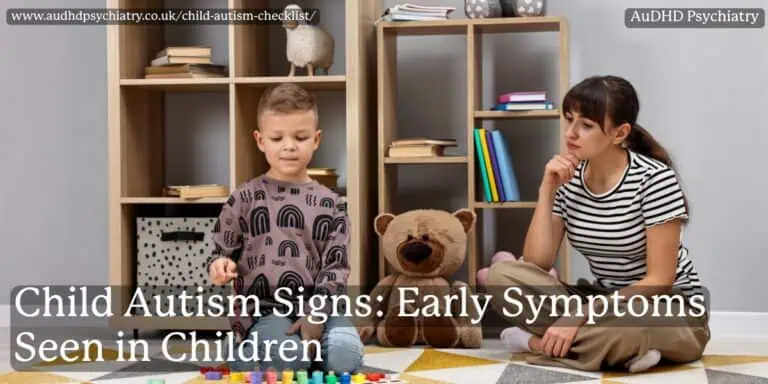
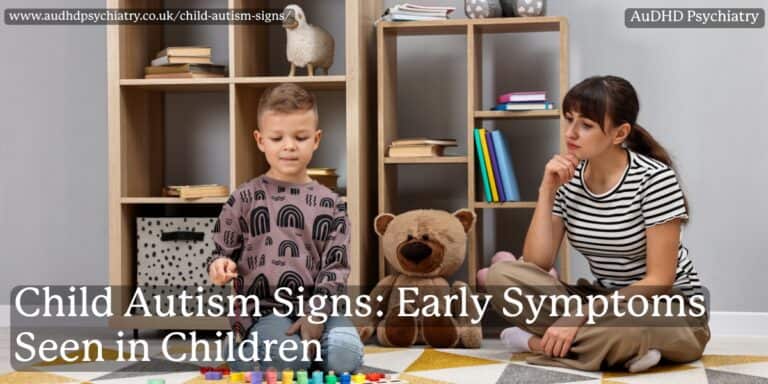
Signs of Level 2 autism in children often emerge in the preschool years, when a child shows delays in language development, limited eye contact or minimal interest in social engagement. They might prefer structured play, repeat phrases or line up toys instead of engaging in pretend play. Teachers may notice difficulties following classroom routines, transitions or group activities.
Schools play a crucial role in providing early educational programmes and accommodations like visual supports, sensory tools and communication aids. Consistent collaboration between parents, educators and specialists helps address each child’s specific needs and promote inclusion.
Level 2 Autism in Adults: Unique Needs and Workplace Challenges
Level 2 autism in adults can impact daily living skills, such as time management, decision-making and organisation. Many experience unique challenges in social situations, particularly in workplaces that demand constant interaction or flexibility. Adults may need structured environments, clear communication and routine to thrive.
Workplace accommodations, such as flexible hours, quiet spaces and written task instructions, can help adults with autism maintain greater independence. If you are considering a comprehensive autism assessment, please read our guide on Private Autism Assessment Cost for transparency about pricing and what’s included in our diagnostic process.
Socialisation, Peer Interaction and Relationships
For individuals with Level 2 autism symptoms, socialisation often involves navigating a world that doesn’t intuitively match their communication style. They may genuinely want connection yet struggle to interpret facial expressions, tone or humour, which can lead to misunderstandings or social fatigue. In group settings, unspoken social rules, like knowing when to speak or recognising subtle emotional cues, can be especially challenging.
Children with Level 2 autism might prefer solitary or parallel play, joining group activities only when structure or clear roles are provided. This isn’t due to a lack of interest in others but rather the difficulty of decoding rapidly changing social dynamics. Over time, this can impact confidence, friendship development and emotional well-being if adequate support isn’t available.
For adults, maintaining friendships, dating, or workplace relationships may present similar hurdles. Conversations can feel overwhelming or unpredictable, and some may withdraw socially to avoid rejection or sensory overload. Others may experience intense interests that become the main focus of their interactions, which can be misunderstood by peers.
Transition to Adulthood and Independent Living Skills
As autistic teens move into adulthood, they may require additional guidance in daily living, employment readiness and mental health care. Supportive transitions, including vocational training and community-based learning, promote a smoother shift to independent living while maintaining necessary support systems. For further reading on how autism in women presents, read this article: Female Autism Checklist.
Level 2 Autism DiagnosisWith AuDHD Psychiatry
Receiving an autism diagnosis, especially for those with Level 2 autism, involves a structured, multi-stage assessment process designed to capture each person’s specific needs, strengths and daily experiences. At AuDHD Psychiatry, we follow a clinically validated process that ensures accuracy, clarity and compassionate support from start to finish.
Step 1 – Initial Screening & History Gathering
An autism assessment begins with a secure pre-appointment questionnaire. Here, you’ll share details about your background, developmental history, education or work environment, and current support needs. If possible, you can also invite someone who knew you in early childhood—a parent, teacher, or family member—to complete a form that helps us understand lifelong patterns of communication, social interaction and behaviour.
We review any previous reports or assessments and note who you’d like your final report shared with (e.g., GP, employer, or university).
Step 2 – Meet Your Clinician
Next, you’ll meet one of our experienced healthcare professionals. During this in-depth appointment, your clinician explores social communication, repetitive behaviours and flexibility in routines, drawing on DSM-5 diagnostic criteria. We also look at masking or camouflaging behaviours, strengths and any co-occurring conditions, such as ADHD or anxiety, to build a balanced, whole-person understanding.
Step 3 – Diagnostic Tools & Observations
Our assessments combine clinical observation with validated diagnostic measures, such as the RAADS-R, CAT-Q or ADOS-2 Module 4, depending on your presentation. Input from family, partners or teachers may also be requested to build a complete picture. All information is evaluated against the Diagnostic and Statistical Manual of Mental Disorders (Fifth Edition) to determine your ASD level and identify whether Level 2 autism best describes your profile.
This evidence-based approach allows our team to distinguish between different levels of autism and other neurodevelopmental disorders, ensuring an accurate diagnosis that reflects your daily reality.
Step 4 – Get Your Report + Next Steps
After your assessment, you’ll receive a clear, written diagnostic report detailing whether diagnostic criteria were met, along with a summary of strengths, differences and support needs. Your report includes practical recommendations for workplace adjustments, educational programmes or therapeutic supports such as occupational therapy and speech therapy.
We also offer optional follow-up sessions to discuss the findings and explore treatment, therapy or referral pathways. You’ll be guided through your next steps, which may include connecting with our therapy or coaching services for ongoing support. If you’re considering a private autism assessment, contact us today.
Treatment and Support for Level 2 Autism
Support for individuals with Level 2 autism focuses on improving communication, building independence and addressing sensory and behavioural challenges. Because this autism level requires substantial support, early, individualised care makes a significant difference in long-term outcomes.
Early Intervention and Therapy Approaches
Early intervention is key to helping children and adults develop essential communication and life skills. These interventions often begin soon after diagnosis, with professionals tailoring programmes around the person’s specific needs. Consistent therapy can improve daily activities, social engagement and emotional regulation, thereby enhancing overall quality of life.
ABA Therapy and Behavioural Interventions
Applied Behaviour Analysis (ABA) remains one of the most recognised methods for supporting behavioural and communication development in autistic individuals. It focuses on positive reinforcement, rewarding desirable actions and gently reshaping difficult behaviours. Some families also benefit from modernised or play-based variations that prioritise emotional well-being and autonomy.
Other behavioural therapy techniques, such as social story-based teaching and visual scheduling, help with transitions and predictability. These are particularly valuable for those struggling with repetitive behaviours or sensory sensitivities that disrupt daily routines.
Speech and Occupational Therapy
Speech therapy targets both verbal and nonverbal communication, helping autistic individuals express needs more effectively and interpret others’ tone and gestures. Occupational therapy, meanwhile, focuses on motor coordination, sensory regulation, and self-care skills, such as dressing and feeding, helping individuals build confidence and independence. Together, these therapies strengthen effective communication and day-to-day functioning across different settings, from classrooms to workplaces.
Building Individualised Treatment Plans
There’s no one-size-fits-all approach to autism care. A personalised treatment plan designed by healthcare professionals for Level 2 autism in adults and children ensures therapy aligns with developmental goals, specific challenges, and the person’s comfort levels. It may combine multiple approaches—behavioural therapy, speech therapy, occupational therapy and social skills training—to achieve sustainable progress.
Collaboration Between Families and Healthcare Providers
Families, therapists and healthcare providers all play a vital role in successful intervention. Regular feedback sessions allow adjustments to treatment goals, ensuring ongoing alignment with the individual’s unique needs. Working together builds trust, continuity and meaningful improvement across home, school, and community life.
Improving Quality of Life and Support for Autistic Loved Ones
Enhancing the quality of life for people with Level 2 autism involves more than direct therapy. It’s about creating a supportive environment that empowers individuals and strengthens families. Every person’s path is unique, so the right support depends on their age, abilities and social context.
Educational Support and Classroom Adaptations
For children, inclusive education and structured classrooms can significantly reduce stress and enhance participation. Visual aids, sensory-friendly setups and clear routines help manage daily tasks while promoting learning. Teachers and parents working together ensure the child’s educational plan matches their specific needs and developmental goals.
Parent and Family Support Systems
Families play a vital role in sustaining progress. Parent training sessions and support groups can help families understand autism, manage challenges and celebrate small victories. Emotional support for parents also reduces burnout, allowing them to create a calm, encouraging home environment.
AuDHD Psychiatry provides families with post-diagnosis guidance, therapy options and advice on building sustainable home strategies.
Assistive Technologies and Tools
Assistive technologies, such as augmentative and alternative communication (AAC) devices, sensory tools, and apps, support daily activities and foster independence. These tools can make communication more accessible, reduce anxiety and strengthen focus throughout daily routines.
Lifestyle Adjustments for Stability and Focus
Maintaining balanced sleep, nutrition and exercise routines helps improve regulation and reduce stress. Predictable schedules and sensory-safe spaces at home promote calmness and comfort. Even small lifestyle changes can lead to greater autonomy and improved emotional health over time, managing Level 2 autism symptoms.
Building a Supportive Environment
Finally, building an inclusive environment both at home and in the community is essential. Encouraging acceptance, offering ongoing support and recognising each individual’s strengths nurture growth and resilience. This can involve educating peers, teachers and employers about autism to reduce stigma and improve understanding. Creating predictable routines, sensory-friendly spaces and open communication channels also helps individuals with Level 2 autism feel safe, valued and empowered to thrive in their daily lives.
Recognise Some of These Traits in Yourself or Someone Close to You?
A professional evaluation can provide clarity, tailored recommendations, and the right support to move forward confidently.
Frequently Asked Questions on Level 2 Autism
Level 2 Autism: Conclusion
Recognising Level 2 autism means understanding that although some individuals need substantial support in daily life, every autistic person also possesses unique strengths and ways of seeing the world. Early recognition and tailored intervention can make a profound difference, helping individuals communicate more effectively, manage routines and live with greater confidence.
The right support doesn’t look the same for everyone. For some, it might mean structured therapy and sensory-friendly environments; for others, educational planning or workplace adjustments that nurture independence. What matters most is compassionate, continual care that meets each person where they are.
References:
Eunice Kennedy Shriver National Institute of Child Health and Human Development. (n.d.). Early intervention for autism. National Institutes of Health.
Centers for Disease Control and Prevention. (2024, May 16). Treatment and intervention for autism spectrum disorder.
U.S. Department of Health & Human Services. https://www.cdc.gov/autism/treatment/index.html
Bancroft, A. B. (2025, August 28). Understanding the levels of autism. Child Mind Institute.
Children’s Hospital of Philadelphia Research Institute. (2020, June 9). Diagnostic criteria for autism spectrum disorder in the DSM-5. CAR Autism Roadmap.
Author:

Request an Assessment
Our clinicians are ready to help you get the complete support you need to manage autism.