


Alternatives to ADHD medication: what the evidence says

Reviewed by Dr Darren O’Reilly, Chartered Psychologist and Clinical Director
Review and publication details
Clinically reviewed by Dr Darren O’Reilly, DPsych, Chartered Psychologist (CPsychol), HCPC registered practitioner psychologist, registration number PYL041661 (check the HCPC register).
AuDHD Psychiatry is the trading name of ADHDdegree Ltd, a company registered in Scotland, company number SC822923. Registered office: 3f1 Third Floor, Hill Street, Edinburgh, EH2 3JP. Registered with the ICO, number ZB823033.
In this article
Page summary
Alternatives to ADHD medication exist, but only some non-medicine options have evidence behind them. Many do not, and none replaces prescribed treatment for everyone with ADHD. The guide covers supplements, diet, therapy, exercise, sleep and digital tools, and what NICE advises. Many people search for holistic options, so each one here is matched to its evidence. AuDHD Psychiatry assesses adults and children for ADHD online, for people living in the UK.
Why Consider Alternatives to ADHD Medication?
Stimulant medications are a first-line treatment for attention-deficit hyperactivity disorder (ADHD), but they don’t work for everyone. Some individuals experience ADHD medication side effects, such as appetite suppression, sleep problems, mood swings, or elevated anxiety. In others, the benefits of medication may decrease over time, or symptoms may persist despite consistent use. For some, stimulant medicines only address part of the picture. They often focus on attention and impulsivity while leaving emotional regulation or executive functioning issues unaddressed.

When medication is not the right fit
Non-pharmaceutical strategies are often considered when stimulant medications aren’t tolerated or aren’t effective. They are also considered alongside co-existing conditions such as tics, anxiety, or sleep disorders, or when stimulant use is medically contraindicated. Some individuals may also prefer not to use prescription medication for personal, cultural, or long-term planning reasons. NICE NG87 says non-medicine treatment is an option for adults who decline medication, cannot tolerate it or find it ineffective [1]. Those seeking clarity about their neurodiverse profile may choose a combined AuDHD assessment to better tailor these non-medication strategies.
Exploring Broader ADHD Management Strategies
In recent years, ongoing shortages of medications like Adderall have prompted many individuals and families to explore options beyond prescriptions. This shift has highlighted the value of alternative treatments, including dietary changes, natural ADHD remedies, cognitive behavioural therapy, and structured routines. While these approaches may not fully replace pharmacological treatment, they can play a key role in improving daily functioning.
Behavioural and Parenting Interventions for ADHD
Cognitive Behavioural Therapy (CBT)
Cognitive behavioural therapy (CBT) is a widely recognised therapy for ADHD. It focuses on reframing unhelpful thinking patterns and building coping skills. While initially designed for anxiety and depression, it has been adapted to support individuals with ADHD, particularly older children and adults. CBT can help manage impulsivity, increase emotional control, and reduce feelings of overwhelm by promoting structured approaches to thinking and behaviour. NICE guidance includes CBT among the non-medicine options it names for young people and adults [1].
Executive Function Coaching and Self-Paced Tools
Many people with ADHD experience executive dysfunction, which affects their ability to plan, prioritise, and manage time effectively. Executive function coaching provides practical strategies to build those skills, often through one-on-one guidance. Self-paced digital tools, including task managers, timers, and focus apps, are also widely used to support task initiation and follow-through. There is no specific mix of resources and tools that work the same for every individual managing ADHD. Trial and error are recommended.
Behavioural Strategies for Parents
For younger children, parental involvement is a critical component of behavioural intervention. Techniques such as ABC behaviour tracking (Antecedent-Behaviour-Consequence), visual schedules, and consistent routines can make daily life more manageable. Structured parenting programmes are often delivered through schools, clinics, or online platforms. Support groups for parents may also help reduce stress and offer shared strategies.
Behavioural interventions are especially useful when medication alone isn’t enough. If you’re a parent who needs more help in supporting your child, a child ADHD assessment may help.
ADHD Diet and Nutrition Plans
Families seeking alternatives to ADHD medication commonly explore dietary changes, particularly in younger children. Elimination diets involve removing potential food triggers. Triggers include artificial colourings, preservatives, or common allergens like gluten, dairy, or soy. The Feingold Diet, which eliminates synthetic additives and salicylates, has gained attention. Research findings remain mixed. Some children show improvements in behaviour and attention, while others see no effect, making individual testing essential. NICE guidance does not advise removing artificial colourings and additives as a general treatment for children and young people [1].
Nutrient Deficiencies and ADHD Symptoms
Micronutrients play a critical role in brain development and function. Some studies have linked zinc, magnesium, and iron deficiency to increased severity of ADHD symptoms. Blood testing can help determine whether nutritional supplements are appropriate. Over-supplementation can be harmful, so professional advice is strongly recommended before making dietary changes or introducing high-dose products.
Building a Balanced ADHD-Friendly Diet
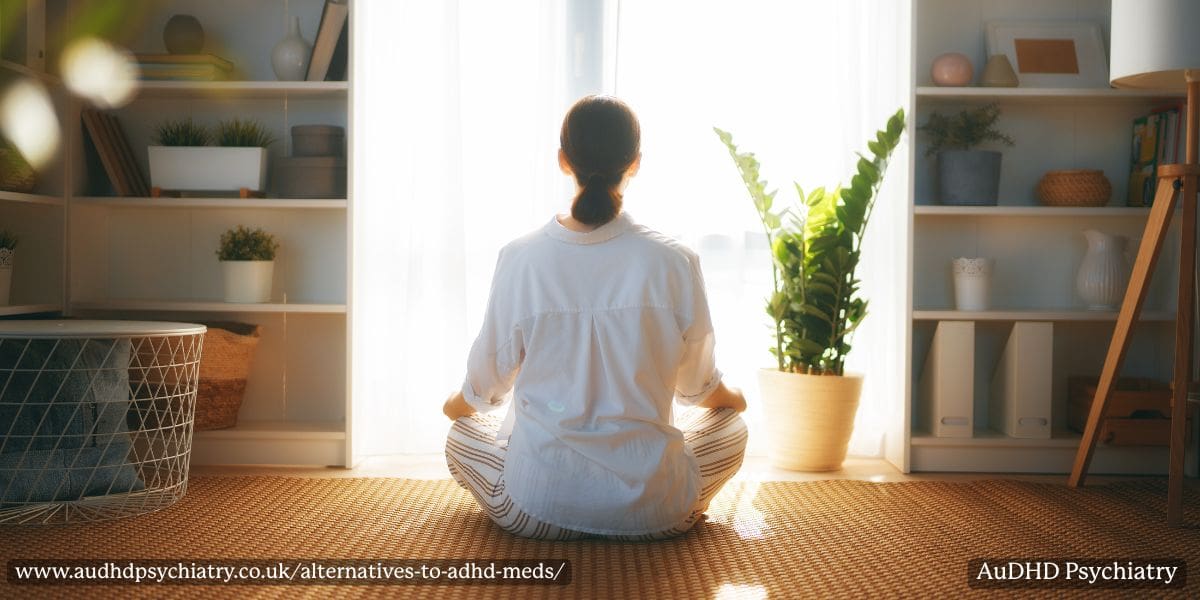
Establishing regular mealtimes and a steady intake of protein, fibre, and omega-3 fatty acids can help. It supports mood stability, focus, and energy levels throughout the day. Reducing processed foods and sugary snacks may help some individuals regulate hyperactivity or emotional outbursts. No single diet treats ADHD on its own. Balanced diets are an important part of overall well-being and can complement other treatment. NICE guidance stresses the value of a balanced diet, good nutrition and regular exercise for everyone with ADHD [1].
ADHD supplements: what the research shows
Omega-3 Fatty Acids and Brain Function
Omega-3 fatty acids, particularly EPA and DHA found in fish oil, are essential for brain development. Studies suggest that fish oil supplements may help reduce inattention and impulsivity, especially in children. Products with higher EPA content seem to show the most promise. The effects are generally mild. NICE guidance says not to advise or offer fatty acid supplements to treat ADHD in children and young people [1].
Key Minerals: Zinc, Magnesium, and Iron
Low levels of zinc, magnesium, and iron have been found in some individuals with ADHD. These minerals are involved in neurotransmitter regulation and overall brain function. Supplementing may be helpful in individuals with confirmed deficiencies. Inappropriate use can lead to side effects, particularly in children. It’s important to test before adding any mineral supplement to a treatment plan.
Lion’s mane and ADHD
Lion’s mane is a mushroom marketed for memory and focus. A PubMed search in October 2026 found no published trials of it in people with ADHD. The human studies so far are small trials in other groups, such as a 2023 pilot study in healthy young adults [3]. Lion’s mane is sold as a food supplement, not a licensed medicine [4]. No regulator has checked whether it works, because food supplements are not assessed like medicines [4]. Speak to your prescriber before combining it with ADHD medication, because supplements can interact with medicines.
Saffron and ADHD
Saffron has one small randomised trial in children with ADHD, which compared it with methylphenidate over six weeks [2]. The 2019 trial enrolled 54 children aged 6 to 17, and 50 completed it [2]. It found no significant difference between saffron and methylphenidate on parent and teacher rating scales [2]. A trial this small and short cannot show that saffron can replace medication. Larger and longer studies would be needed before anyone could draw that conclusion. Children should not be given saffron as a supplement without their clinician’s advice.
Herbal Remedies: What the Evidence Says
Some herbal remedies for ADHD, including Ginkgo biloba, Bacopa monnieri, and ginseng, are marketed as natural stimulants or focus aids. While some studies report mild improvements in memory or attention, others show little to no effect. Quality control can also vary widely between products. Individuals considering herbal remedies should seek advice from a healthcare provider and use reputable brands with third-party testing.
Over-the-Counter and Herbal Alternatives to ADHD Meds
Many people seek non-prescription options to manage their symptoms. Some over-the-counter (OTC) products contain caffeine, amino acids, or nootropic ingredients marketed to improve focus and memory. These may offer temporary alertness. They are not equivalent to prescribed ADHD medications and may interact with other treatments.
Herbal Stimulants and Cognitive Blends
Products containing natural stimulants for ADHD, such as ginseng, Rhodiola, or Ginkgo biloba, are often sold as focus aids. Though some small studies suggest mild benefits, most evidence is anecdotal or lacks clinical depth. Supplements like acetyl-L-carnitine and Pycnogenol are also marketed for ADHD. Scientific reviews often highlight a lack of consistent outcomes.
Safety and Quality Considerations
Many OTC ADHD products are not regulated as medicines. They may include high doses of active compounds, fillers, or undeclared substances. Always look for third-party tested brands. Consult a healthcare provider before starting any supplement, especially when used alongside medication.
Food supplements are sold as foods, not licensed medicines, so they are not checked for effect the way medicines are [4]. Under food law they cannot be sold with claims to treat or prevent any medical condition [4]. Some herbal products carry a traditional herbal registration from the MHRA, the UK medicines regulator [5]. That registration covers quality, safety and traditional use, not proof that the product works [5]. The NHS advises checking for the THR mark and MHRA product code on the packaging [6].
Movement and Exercise for ADHD Focus
Exercise increases brain activity, improves blood flow, and raises the release of key neurotransmitters such as dopamine and noradrenaline. Both of these are often imbalanced in ADHD. Research shows that regular physical activity may improve attention, reduce hyperactivity, and support overall emotional regulation.
Structured Routines for Children and Adults
Children with ADHD often benefit from scheduled activity breaks between lessons or tasks. These movement breaks help reduce restlessness and improve concentration. For adults, incorporating aerobic exercise or short activity intervals throughout the day may help maintain mental stamina and improve task initiation.
Mind-Body Practices
Gentle practices such as yoga and tai chi combine physical movement with mindfulness and breathwork. They support emotional regulation and body awareness. These practices are especially beneficial for individuals with ADHD who struggle with stress, getting enough sleep, or sensory sensitivity. Pairing these approaches with adult ADHD coaching can provide even greater structure and accountability. It helps individuals put strategies into daily action.
Meditation, Breathwork, and Mindfulness for ADHD
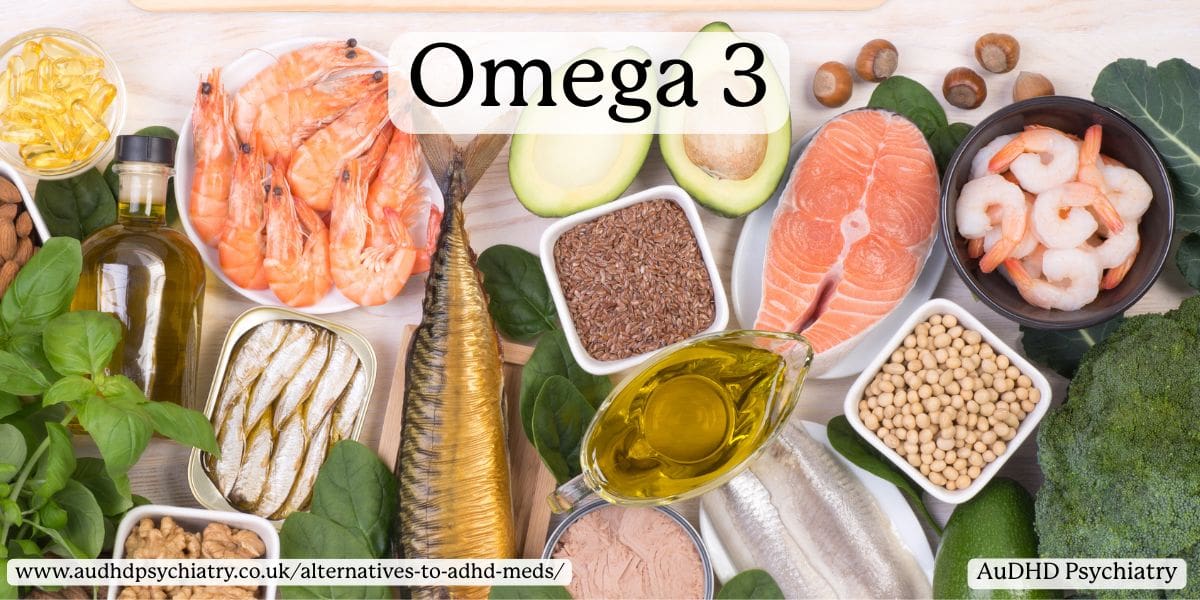
Mindfulness can help individuals with ADHD improve their awareness of thoughts, sensations, and behaviours. Regular practice may reduce impulsivity and promote emotional regulation. Techniques like mindfulness-based stress reduction (MBSR) and guided meditation are increasingly used as non-drug tools in ADHD care.
Breathwork and Nervous System Regulation
Simple breathing exercises, such as box breathing or paced diaphragmatic breathing, can help regulate the nervous system. They can also reduce emotional reactivity. For children, pairing breathwork with visual tools or counting games can make practice more engaging and accessible.
Apps and Guided Tools for Daily Practice
Many digital tools support the integration of mindfulness into everyday routines. Apps offering guided meditation tools for focus, anxiety, or sleep can help adults and children build consistent habits. These tools may work particularly well when used alongside other behavioural interventions.
Improving Sleep in Individuals with ADHD
Sleep problems are frequently reported by people with ADHD. Difficulties falling asleep, staying asleep, or waking too early can worsen core symptoms like inattention, irritability, and executive dysfunction. Sleep problems are often under-recognised and may be mistakenly attributed to behaviour alone.
Bedtime Routines and Environmental Adjustments
Creating a consistent evening routine can signal the body to wind down. This might include screen-free time, calming music, or dimmed lighting. Reducing exposure to caffeine and large meals late in the day may also help. Sleep hygiene practices such as regular sleep/wake times and a cool, quiet bedroom environment are essential.
Natural Sleep Aids and Alternatives
Some individuals explore natural sleep aids such as melatonin, valerian, or magnesium supplements to support more restful sleep. While these are widely available, they should be used with guidance, especially for children. Evidence for melatonin in managing ADHD-related sleep delay is more established than for other herbal supplements for ADHD.
ADHD and waiting mode covers strategies for improving regulation and transitions.
ADHD Tech: Digital Tools and Neurofeedback
Brain-Training and Feedback-Based Approaches
Technological tools are increasingly used to support ADHD management, particularly for individuals seeking non-pharmaceutical strategies. One of the more advanced options is neurofeedback, a form of biofeedback. It teaches users to recognise and regulate their own brain activity. During sessions, individuals complete mental tasks while their brainwaves are monitored in real-time, often with visual feedback. Some research suggests that neurofeedback may lead to improvements in attention, focus, and behavioural regulation, especially in children. However, the evidence is mixed. The results can vary significantly depending on the provider and protocol used.
Digital Apps for Planning and Focus
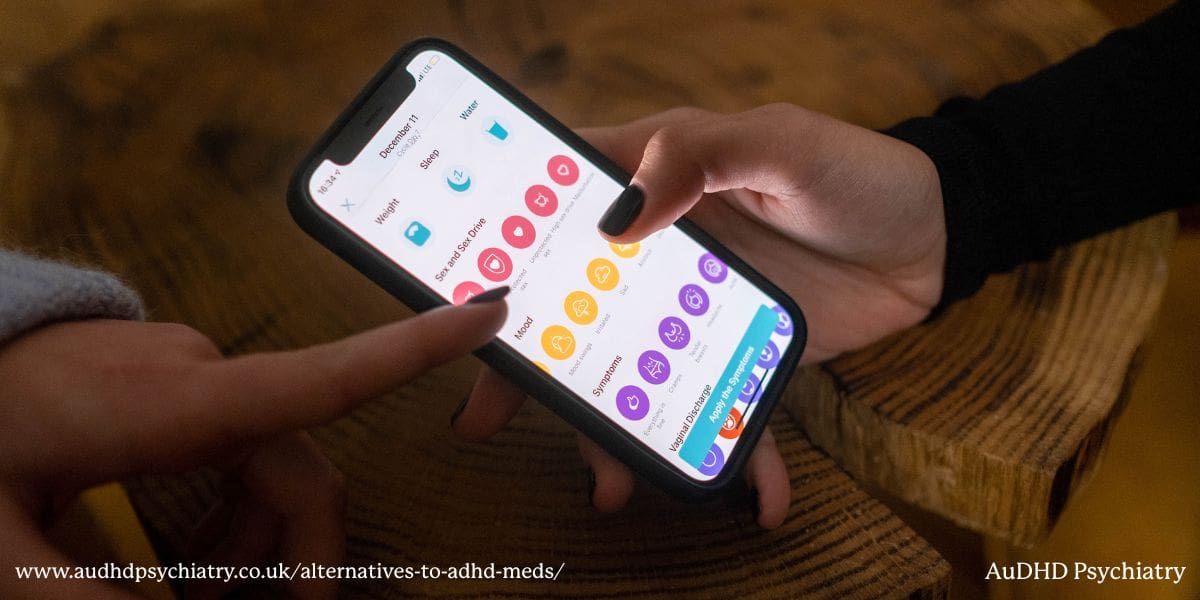
Mobile apps and digital platforms have also become useful tools for people with ADHD. Many of these are designed to improve executive function. Features include to-do lists, visual reminders, time-blocking calendars, and progress trackers. These tools may follow principles derived from cognitive behavioural therapy (CBT). They help users reinforce helpful routines and reduce disorganisation. While apps can’t replace direct therapeutic support, they can add daily structure and provide a sense of control.
Cognitive Games and Support Platforms
Cognitive training games aim to strengthen areas such as working memory, processing speed, and sustained attention. The clinical backing for these games remains limited. Some users report benefits when they are used consistently and in conjunction with other strategies.
For more tools to support daily life with ADHD, visit ADHD Resources and Tools.
Complementary and Controversial ADHD Therapies
Some families explore complementary treatment options such as chiropractic adjustments, craniosacral therapy, or sensory integration therapy to manage ADHD symptoms. These methods are often based on the idea of improving neurological alignment or calming the nervous system. However, there is little high-quality research to support their effectiveness.
Acupuncture and Energy Therapies
Acupuncture is occasionally used to address associated symptoms such as anxiety or sleep disturbances in people with ADHD. Small-scale trials have reported mild benefits. The evidence remains limited and is not yet strong enough to form clinical recommendations. Energy-based therapies such as Reiki, magnetic therapy, or reflexology are also marketed as holistic ADHD treatments but lack scientific evidence.
Assessing Safety and Efficacy
Before committing to any alternative therapies, it’s important to weigh both the potential benefits and the adverse effects. Those effects include the risk of delaying more effective interventions. Some complementary approaches may be safe when used alongside traditional treatments. Others can be costly, time-consuming, or misleadingly marketed. Consulting with a qualified healthcare professional ensures that decisions are informed, balanced, and evidence-aware.
Non-stimulant ADHD medicines
Non-stimulant medicines are a prescribed option when stimulants don’t suit you, not a natural or over-the-counter alternative. A specialist decides with you whether non-stimulant ADHD medication fits your situation.
Questions people ask
Does lion’s mane help ADHD?
There is no good evidence yet that lion’s mane helps ADHD. A PubMed search in October 2026 found no published trials of it in people with ADHD [3]. The human studies so far are small and in other groups, such as healthy young adults. Nothing yet shows it works for attention or focus in people with ADHD. If you take ADHD medication, speak to your prescriber before adding it.
Does NICE recommend omega-3 for ADHD?
No: NICE guidance says not to advise or offer fatty acid supplements to treat ADHD in children and young people [1]. Some studies report small effects on inattention, mostly in children, and the effects are generally mild. NICE does recommend a balanced diet, good nutrition and regular exercise for everyone with ADHD [1]. If your child already takes an omega-3 product, tell the prescriber at their next review.
Can I take supplements with ADHD medication?
Check with your prescriber or pharmacist first, because some supplements and herbal products can interact with medicines. Bring a list of everything you take to each medication review, including vitamins, herbal products and sleep aids. AuDHD Psychiatry has nurse prescribers and a senior clinical pharmacist in our prescribing team. You can raise supplement questions at any medication review. Never stop or change your prescribed medication because of a supplement without speaking to your prescriber first.
What non-medicine treatment does NICE recommend for adults?
NICE guidance says non-medicine treatment is an option for adults who decline medication, cannot tolerate it or find it ineffective [1]. CBT is one of the options NICE names for young people and adults [1]. Structured support such as coaching, exercise and sleep routines sits alongside it, as this guide sets out. AuDHD Psychiatry assesses adults and children living in the UK for ADHD, online. We discuss medication and non-medicine options after the assessment.
In short
ADHD is a complex condition that affects people differently. The best approach to treatment is not one-size-fits-all. While stimulant medications remain the most common form of intervention, they are not the only option. Individuals who experience unwanted effects, limited results, or personal concerns about prescription use may benefit from exploring non-pharmaceutical strategies.
The alternatives to ADHD medication range from behaviour therapy and herbal preparations to mind-body practices and dietary interventions. For some, nutritional supplements, regular exercise, or structured routines can improve focus, reduce stress, and promote better sleep. Those gains are most likely when the plan is matched to individual needs and monitored by a healthcare professional.
Research continues into vitamin supplements and elimination diets in ADHD management. While some findings show promise, others require further validation through large-scale scientific studies. Many alternative approaches come with limited regulation or evidence. Consulting a qualified ADHD specialist is essential for evaluating important safety information.
Whether you’re considering alternative treatments for your child’s ADHD or reassessing your own care plan, professional input helps. It can help you identify the most effective and realistic path forward. If you’d like a full picture first, AuDHD Psychiatry offers an ADHD assessment online for people living in the UK. Our ADHD treatment options page explains what can follow an assessment, with or without medication.
Related
Sources
- National Institute for Health and Care Excellence (NICE). Attention deficit hyperactivity disorder: diagnosis and management, guideline NG87. Published 14 March 2018, last updated 13 September 2019. https://www.nice.org.uk/guidance/ng87
- Baziar S, Aqamolaei A, Khadem E and others. Crocus sativus L. Versus Methylphenidate in Treatment of Children with Attention-Deficit/Hyperactivity Disorder: A Randomized, Double-Blind Pilot Study. Journal of Child and Adolescent Psychopharmacology, April 2019, 29(3):205-212. https://pubmed.ncbi.nlm.nih.gov/30741567/
- Docherty S, Doughty FL, Smith EF. The Acute and Chronic Effects of Lion’s Mane Mushroom Supplementation on Cognitive Function, Stress and Mood in Young Adults: A Double-Blind, Parallel Groups, Pilot Study. Nutrients, 20 November 2023, 15(22):4842. https://pubmed.ncbi.nlm.nih.gov/38004235/
- Food Standards Agency. Food supplements: guidance for consumers. Published 25 June 2026. https://www.gov.uk/government/publications/food-supplements-guidance-for-consumers/food-supplements-guidance
- Medicines and Healthcare products Regulatory Agency (MHRA). Apply for a traditional herbal registration (THR). Read 13/10/2026. https://www.gov.uk/guidance/apply-for-a-traditional-herbal-registration-thr
- NHS. Herbal medicines and complementary therapies. Page last reviewed 1 May 2026. https://www.nhs.uk/conditions/herbal-medicines/
About AuDHD Psychiatry
AuDHD Psychiatry is the trading name of ADHDdegree Ltd, a company registered in Scotland. The company number is SC822923. Our registered office is 3f1 Third Floor, Hill Street, Edinburgh, EH2 3JP.
Registered with the ICO, number ZB823033.
Last updated: 13 October 2026
Where to go from here
A private online screening for ADHD traits, with your results at the end. No commitment.
Take the free testA free, no-obligation call with our team to ask questions and find the right assessment for you.
Book a free callDarren is a Chartered Psychologist and specialist in ADHD and autism, with over 11 years of experience working in mental health and neurodevelopmental services. He holds a Doctorate in Counselling Psychology and has presented research at the British Psychological Society Annual Conference.
Read Darren’s full profileThis article is for general information and does not replace a clinical assessment. If you are struggling with your mental health right now, please contact your GP or NHS 111.